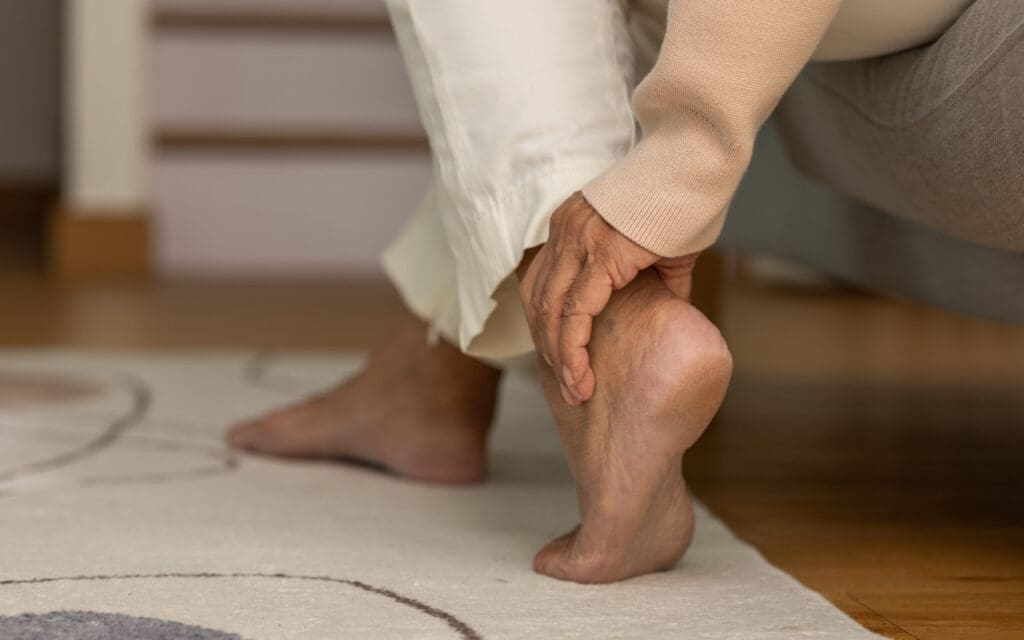
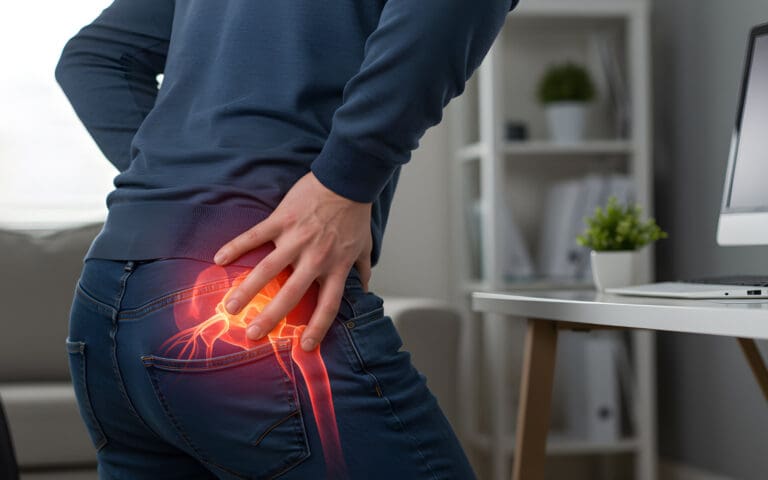
Tendon problems, otherwise known as tendinopathies, are the bane of the professional career of many musculoskeletal therapists. They’re notoriously volatile, they can be annoyingly recurrent, and they can be very stubborn to resolve. So I thought I would write about tendinopathies in the hope I can share some of my knowledge on how to recover from them.
I see a lot of patients with tendinopathies who have been to other clinicians that have tried lots of different approaches, such as stretching, massaging and even manipulation. But the patient is still in pain.
This is because the only treatment that tendinopathies respond well to is exercise. More specifically, it seems that tendon problems largely respond best to strength training.
I’m aware that I probably seem like an exercise salesman with how much I bang on about it – it’s essential in the recovery of virtually EVERY musculoskeletal problem. So if you need to exercise your tendon to get it to stop hurting, what exercise should you be doing?
Evidential studies
A study from 2023 found that more challenging strength exercise performed at a low frequency outperformed lighter strength exercises performed more frequently. So working hard but less often seems to be better than the “little and often” approach.
Another more recent study also found that exercise was superior to other forms of treatment, such as steroid injections, which they found only provided small short-term improvements. These results are confirmed by an older study which found that steroid injections were worse than other treatments for longer term improvement.
In fact, a study from 2021 found that NO treatment was better than exercise! (I’m definitely sounding like an exercise salesman now)
So, if you have a tendon problem and your therapist is doing anything other than giving rehab and self-management advice, it’s likely your problem will not resolve.
Generally, you’re at higher risk of developing tendon problems if you are older, have diabetes, are overweight or have had a tendon problem in the same area before.
How do I exercise?
So, if we know you need to exercise tendon problems and that strength training is best, what would a recovery programme look like?
The way to structure an exercise programme for these problems is to start doing strength-based exercise around 3 times per week. We get patients to start off with very simple exercises so we can get a basic understanding of how much stress the tendon will tolerate. If they are rehabbing their achilles tendon I may start with some heel raises. If the heel raises don’t make the pain worse, I will likely then get the patient to repeat this holding a weight at the same time. I then progress the amount of weight they are holding in order to create ongoing improvement.
If the pain gets worse, we simplify the exercise in some way to make it easier and less demanding, or we might just try a different exercise altogether. If nothing happens to the patient’s pain levels, we will progress the difficulty of the exercises.
The only caveat with exercise for tendon problems (and it’s probably the main reason that people struggle with them so much) is that you need at least 48 hours between rehab sessions. The reason is that tendon pain can get worse post-exercise for up to 48 hours and it doesn’t mean you did the wrong thing. The only reason that elevated pain after exercise would suggest that you’ve aggravated the tendon is if the pain persists for MORE than 48 hours. If this happens then we get the patient to exercise again but just at an easier level.
It all sounds like a very simple solution but in practice it can be more complicated, but by regularly relying on exercise we give our patients the best chance of recovery.
This article by Rob Bailey first appeared in the Diss Express in August 2026.