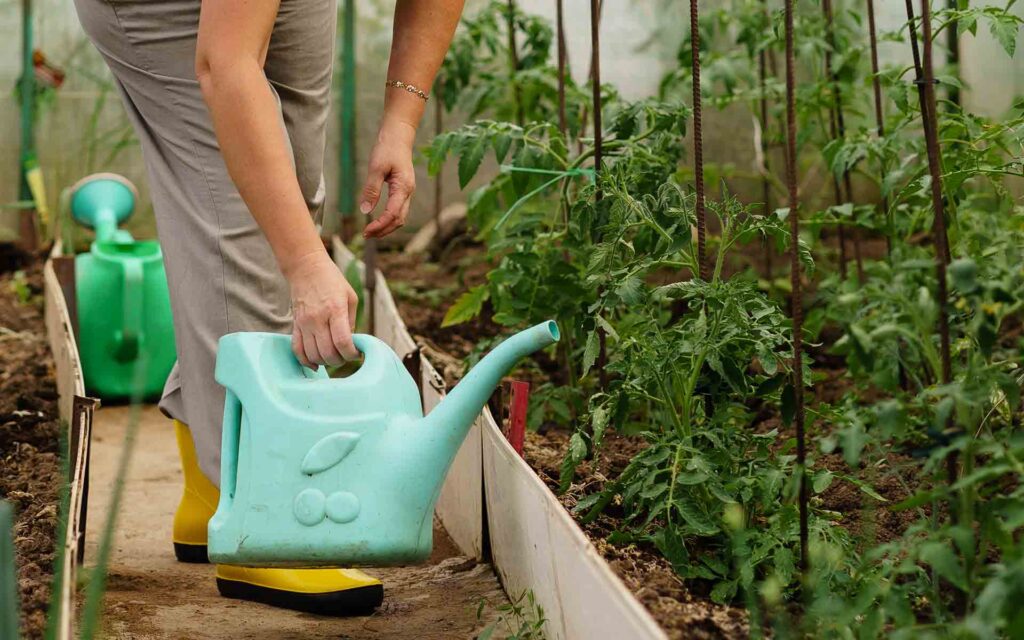
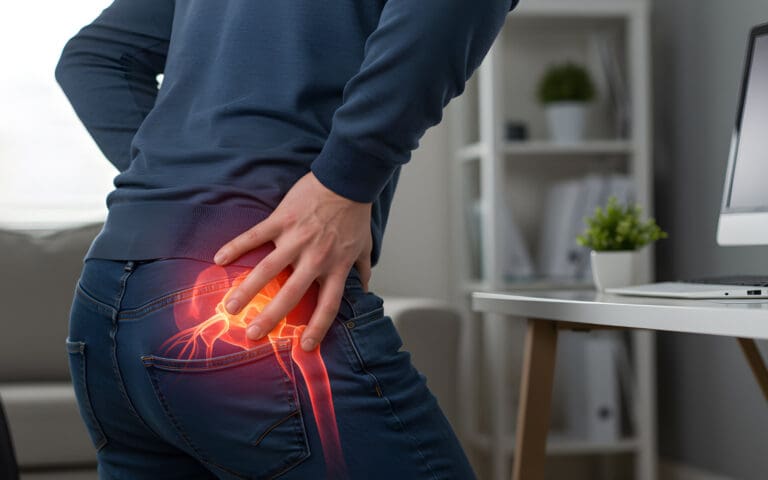
We’ve already reached that time of the year when the phone on my reception doesn’t stop ringing with patients calling for help regarding back pain that was brought on through gardening.
Low back pain is Britain’s most common health problem and gardening is one of our favourite past times. So it’s of little wonder that so many people find themselves in pain after spending too long out in the garden. A lot of people think that getting recurrent, severe episodes of low back pain is par for the course when it comes to being a green-fingered enthusiast.
I can’t say that I wholeheartedly agree with this. I appreciate that placing our bodies under a reasonable degree of physical challenge is likely to lead to some episodes of aches and pains, but there’s no reason that you can’t both enjoy working in your garden and retain a low level of back pain.
So if it is possible to have both, the question becomes ‘how do you do it?’
One of the most common patterns that I find with the patients that I encounter is that they go hell for leather out in the garden during the summer, then they spend the majority of the winter doing very little.
It’s important to know that our bodies are really good at tolerating activities that we do regularly and that remain within our physical tolerance (i.e activities that don’t cause injury). Regularly stressing the tissues of our bodies actually leads them to become tougher and more resilient – think about the calluses that would form on your hands if you were to use a spade regularly! However, when we stop these activities for an extended period of time we begin to lose the tolerance that we have built up.
In the case of my green fingered patients, when they stop gardening over the autumn and winter months, they lose the tolerance in their low backs that they have built up over the spring and summer. This means that when they come back to gardening the following spring, after having done very little gardening for several months (sometimes even 6 months!), their bodies can’t tolerate as much as they did the previous August.
The advice that I would give is to keep gardening through the winter months so that your back remains very tolerant of your regular gardening activities. Therefore meaning that it will be harder to flare it up the following year when the weather improves. The other option is to replace the gardening with another form of challenging exercise. This could be as simple as regular exercise classes or even some basic strength-based home exercises. We run weekly pilates classes that are very popular amongst our gardener-patients for this reason.
The other question that I am regularly asked is ‘what do I do to prevent the pain if I start feeling it when gardening?’
This is an important question, but one that has a very simple remedy.
I get my patients to make sure that they are varying the activities that they are doing. For example, if you are on your hands and knees doing some weeding and your back starts to feel uncomfortable, I would recommend changing your activity and doing something else that is completely different (such as pruning a hedge or standing to repot plants).
The key here is to make sure that the two tasks you are performing are completely different from each other. Having two tasks on the go that have very different physical demands means that you are less likely to over-work the back. When you find that your back is continuously uncomfortable regardless of what task you are doing, that is time to get the kettle on and take a break.
It’s important to remember that you want to challenge your back – that is the only way that you will create resilience within the spine – but you need to remain respectful in the degree of challenge that you give it. You can’t keep challenging your back all day, every day because it needs time to recover as well.
As a clinician, I like to give my patients free reign to remain active and do the things that they want to be doing, provided that they are doing it in a sensible way. Implementing these two pieces of advice is a great place to start.
To read Rob Bailey’s latest column in the Diss Express please click here.