I thought I would kick off 2026 with some real, practical advice. Many of us like to start the new year with new health goals. Not because we couldn’t have achieved them in 2025, but because a new year can be the kickstart we need to finally start working towards goals we’ve been putting off.
What we commonly see at the start of each year are new patients who have been far too exuberant to achieve their new physical exercise goals. On the 15th of January I saw my first patient who had fallen foul of being too eager.
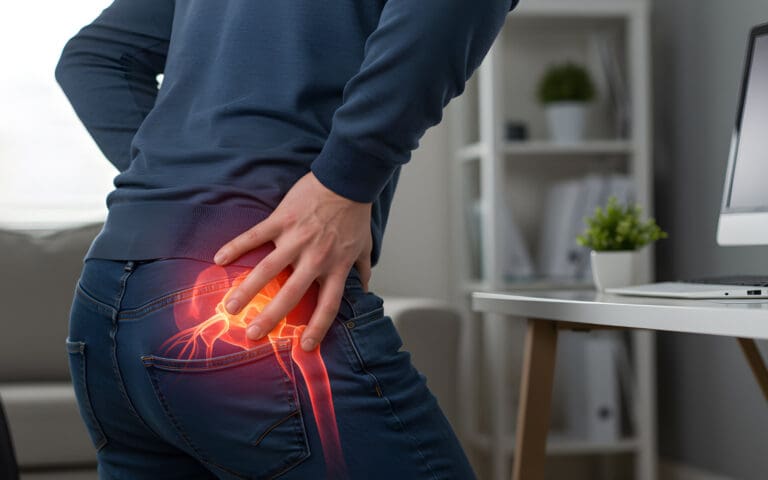
She had engaged in exercise to a level that her body simply wasn’t used to. So, after doing the first long walk of her new workout regime her low back went into spasm. She had been experiencing chronic (long term) pain for around three years when she came to see me in July. By August we had got rid of her pain and she was feeling good which lasted into December.
However, the problem with most low back issues is not their level of seriousness but more the rate of recurrence. You have a 70% chance of experiencing low back pain within 12 months of the last time you had it and this patient fell into that bracket simply because she didn’t take the time to build up exercise levels progressively.
We call this ‘graded exposure’; it’s the progressively increasing challenge added to exercise to reduce the chance of pain or injury occurring and it forms the cornerstone of the rehab that we use within the clinic.
What is graded exposure in practice?
Graded exposure means we take people who are in pain and unable to do the things they want to in life, and then progressively return them to living their lives and partaking in normal physical tasks. You can use graded exposure whether you’re someone recovering from pain or simply looking to start a new exercise regime; start small and build up.
The objection I often get from patients is that graded exposure is no fun. I would generally agree with them, but it is an awful lot better than being laid up in pain. I would also say that it will help you achieve your goals much faster over the long term. The more flare ups you have, the more time away from exercise you need to have, making it far harder to remain consistent and achieve your goal.
Handy advice for your health goal
So whatever exercise or health goal you’ve set yourself for 2026, I would offer three very simple pieces of advice:
- Start easy. Choose a level of exercise that you are confident you can do and is not significantly harder than you have been doing previously. There is a chance that your educated guess on where to start could be wrong, but if you’re sensible you give yourself the best chance.
- Take your time – it’s not a race! Progressing slowly and surely towards a goal is a far better way to ensure you achieve it. Doing too much too soon will likely lead to you needing to take time away from exercise and this will hamper your progress.
- Record what you do. The single best way to make sure that you are not progressing too quickly is to keep a diary. I get all my patients to do it and it helps immensely. This will help prevent over-training and even if you do have a flare up, it will be easier to see where you went wrong.
So whatever exercise goal you have set yourself for 2026, if you follow my three simple rules, you’ll have the best chance of being able to achieve it and you’ll have the lowest chance of ending up in pain. Respect graded exposure and enjoy the process.
This article first appeared in the Diss Express in January 2026.